

Camping is a strange hobby. You spend the weekend sleeping on the ground, dealing with bugs, maybe getting rained on, and living without some of the basic conveniences you take for granted at home. Sometimes the tent leaks a little, sometimes the coffee takes longer to make than it should, and sometimes you wake up wondering why you chose to sleep on a pile of dirt instead of your bed. Yet somehow people keep coming back to it.
For me, camping is not really about camping. It is about waking up already inside the park. Most of the places I love hiking and swimming are at least a couple hours away, and turning those trips into day hikes means spending half the day on highways. When I camp instead, I wake up surrounded by forests, lakes, and trails. That means less time gritting my teeth and more time grinding coffee.
Most of the places I love hiking and swimming are at least a couple hours away from home. If I tried to do them as day trips, half the day would disappear sitting on highways. Camping solves that problem. Instead of driving back and forth, I can wake up already surrounded by forests, lakes, and trails.
Some of my favorite trips have been to places like the Delaware Water Gap, Stokes State Forest, High Point, Cheesequake, Allaire, and Wharton State Forest. Across the river in New York there are great parks too like Taconic and Beaver Pond. Each park has its own personality — different trails, different lakes, and different scenery.
One of my favorite early hikes was the Tillman Ravine Trail in Stokes State Forest. It is the kind of place that reminds you how beautiful these parks really are.
Camping lets me experience those places in a much more relaxed way.
What a Typical Camping Weekend Looks Like
My trips are pretty simple and repeatable.
On Friday I drive to the park after work, set up camp, eat something quick, and go to sleep early.
Saturday starts the way every good camping morning should: coffee.
I make a solid breakfast, drink good coffee, pack lunch for later and relax in a hammock while everything wakes up around me. Then I head out for the first hike of the day.
After hiking I usually head straight to the lake. Many parks in the area have swimming lakes with lifeguards, which makes it easy to spend the afternoon swimming, relaxing in the sun, and eating lunch by the water.
Later in the afternoon I might take another short hike before sunset. Then it's back to the campsite to cook dinner, get a fire going, and toast marshmallows.
If you are cooking over a fire ring, I wrote a full guide about whether charcoal is allowed and how to use it safely: Can You Use Charcoal in a Fire Ring?
Sunday is usually a repeat of the best parts: breakfast, coffee, one more hike, another swim, then packing up camp and grabbing dinner somewhere on the way home.
If I am going away for a weekend, I book Friday, Saturday, and Sunday nights. That way I can stay at the campsite as late as I want on Sunday without feeling rushed. If I have the flexibility, I can even leave Monday morning instead of Sunday night.
Why I Prefer Car Camping
Car camping hits a great balance between comfort and simplicity.
I am not hauling a backpack for miles, but I am still sleeping outdoors, cooking over a fire, and waking up surrounded by nature. Plus there's usually a bathroom and shower. I can bring a cooler, good coffee, and decent meals without turning the trip into a complicated expedition.
Nutrition has become important to me over the years, so I like being able to cook real food even when I am camping. I bring a small portable kitchen setup and keep things simple but healthy.
Another benefit is the sleep. Waking up outdoors feels incredibly energizing. Spending weekends outside helped me normalize my sleep schedule.
Camping also became a natural extension of hiking which is one of the things I was doing to help me recover from the pain issues I was having. Many of the best trails are in parks that already have campgrounds, so it made sense to stay overnight and turn a hike into a full weekend outdoors.
A Quick Note for First-Time Campers
There are hundreds of ways to camp, and honestly it is hard to do it completely wrong.
Most campgrounds are not that far from civilization. If you forget something, there is usually a town or a Walmart somewhere nearby.
The biggest thing to remember is that campgrounds do not have walls. Your campsite is right next to someone else's.
Be respectful about noise, especially during quiet hours. A peaceful campsite makes the experience better for everyone.
Now that you know why I like camping, let’s go through the simple gear and setup that makes a first camping trip easy and enjoyable.
Finding the Right Campground
The easiest way to start car camping is by booking a campsite in a national park, state park, or public campground. There are nice private campground, some even have pools, which may be great for some people, but they're not in the parks, which is the whole reason I'm there.
Most campgrounds provide the basics:
- Parking at your campsite
- Picnic table
- Fire pit
- Flat ground for a tent
- Bathrooms (even if it's just a pit toilet)
- Sometimes showers and drinking water
For national parks, visit recreation.gov to search for campgrounds and reserve campsites. You can also search what your local state, and county parks have to offer in terms of camping. There are campsites even available on airbnb and if you're not ready to buy any gear you can find glamping sites that have the tent and bed setup for you.
If you want a real-world example of a more minimalist setup (and what it feels like to pack light), you might also like: Camping in a BMW X3 SUV.
The Minimal Gear You Need
You do not need a truck full of equipment to enjoy your first camping trip. Start simple and upgrade later if you decide you actually like this whole sleeping-outside thing.
Beginner checklist- Tent
- LED lantern
- Sleeping pad or air mattress
- Sleeping bag or blankets
- Basic cookware
- Matches or lighter
- Cooler
- Plates and utensils
Tent
A simple 2-person or 4-person tent works well for car camping. If you are camping with a partner, a 4-person tent usually feels more comfortable because you have room for gear.

Affordable, simple setup, and a solid beginner choice for weekend car camping from a reuputable brand.
Check current price on Amazon →Tents eventually lose waterproofing over time. Seam sealer or waterproofing spray can extend the life of an older tent.
LED Lantern
Campsites get extremely dark once the sun sets. A lantern makes cooking and organizing gear much easier.

Simple, reliable, and inexpensive. These lanterns run on AA batteries instead of rechargeable packs, which is great when you're camping somewhere with no power. They are not insanely bright, but they provide plenty of light for cooking, organizing gear, or walking around camp. I recommend bringing a few and packing extra batteries.
Check current price on Amazon →Sleeping Pad or Air Mattress
Even in summer the ground can be cold at night, so it helps to sleep on something that adds cushion and insulation. Air mattresses are affordable and comfortable for car camping, but foam pads usually insulate better in cooler weather.
Sleeping Bag or Blankets
Make sure your sleeping bag is appropriate for the weather conditions. A blanket can work too if it is not that cold. Do not forget your pillow.
Cookware
You do not need fancy camping cookware. A simple pan or 2 and a pot from your kitchen will help you make most meals, especially if there is a grill grate on the fire pit. You can also find a lot of recipes you cook in foil.
Campfire cooking can blacken cookware fast, so do not bring your best pans.
If you are planning to cook over the fire, you might wonder whether charcoal works in a campground fire ring. I wrote a full guide explaining when it is allowed and how to do it safely: Can You Use Charcoal in a Fire Ring?
Matches or Lighter
You will need them to start a fire. Wooden matches are great, but a simple lighter works too.
Cooler
Keep your food fresh and drinks cold with a cooler and ice.

Durable, weekend-proof, and holds ice well. A great upgrade if you camp more than once.
Check current price on Amazon →Nice-to-Have Camping Gear
These items are not necessary for your first trip, but they make camping significantly more comfortable.
- Dining canopy or tarp
- Camping shovel
- Small axe or hatchet
- Water jug
- Propane stove
Propane Stove
You probably do not want to spend too much for your first trip, but if you camp a couple times and enjoy it, a propane stove makes mornings easier. Making coffee and breakfast on a stove is faster than rebuilding a fire from scratch.

Reliable, easy to use, and perfect for breakfast and coffee without a full-time campfire job.
Check current price on Amazon →Setting Up Your Campsite
- Park your car at your campsite and take a quick look around before unpacking anything.
- Clear sticks and rocks from the area where your tent will go.
- Set up your tent on the flattest ground you can find.
- Lay out your sleeping pad or air mattress and set up your bedding.
- Organize gear so the things you need most are easy to reach after dark.
- Set up your cooking area near the fire pit and keep your lantern nearby.
Simple Meal Plan for Your First Camping Trip
Cooking outdoors is one of the best parts of camping, and it does not need to be complicated. This is a simple weekend plan that works even if you are brand new.
Friday Dinner: Sausage and Veggie Skewers
Setting up camp can take a while so Friday dinner should be easy. Once the fire has been going and coals are forming, place the grill over the coals until it gets hot. Oil the grill grates with a folded paper towel held by tongs, then cook sausages and veggie skewers until browned, flipping after 5 to 8 minutes depending on heat. Serve with rolls.
Saturday Breakfast: Spinach, Mushroom, and Sausage Scrambled Eggs
Start boiling water for coffee while you heat up your pan. Cook sliced mushrooms with a splash of water first until the water evaporates, then add a little oil and brown the sausage. Add spinach to wilt, then scramble your eggs on lower heat so they stay soft.
Coffee (keep it simple)
If you already own a French press at home, bring it. It makes genuinely good coffee at camp with almost no learning curve. If you want a dedicated camping option, the Cowboy Joe Coffee Maker is my favorite simple setup.
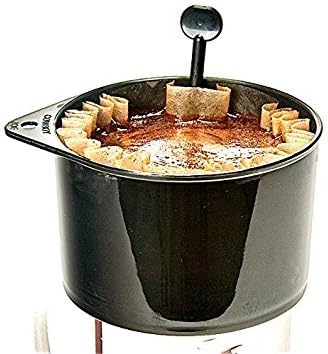
Tiny, fast, and surprisingly good. Great if you want real coffee without hauling extra gear.
Check current price on Amazon →Saturday Lunch: Turkey Guac Wraps
These are great for taking on a hike or kayaking trip. Add sliced turkey, guacamole, spinach, and shredded carrots to a wrap. Serve with baby carrots or celery and hummus, and finish with an apple.
Saturday Dinner: Campfire Chicken and Veggie Skewers
Saturday night is a great time to cook over the fire. Thread chicken, onions, peppers, and cherry tomatoes onto skewers and cook them over the fire ring grate once you have a bed of hot coals. Serve with bread or rolls for an easy carb side and finish the night with classic campfire s’mores.
Sunday Breakfast: Simple Camp Breakfast
Start the coffee first, then cook a simple skillet breakfast. Dice potatoes, onions, and peppers and cook them in a pan until the potatoes are tender and slightly browned. Add sliced sausage and let it warm through, then pour beaten eggs over everything and cook until the eggs set like a rustic camp-style frittata. It is hearty, filling, and a great way to fuel up before your final hike of the trip.
Sunday Lunch: Easy Trail or Lake Lunch
For the final hike or swim of the trip, pack another wrap of your choice to bring to the lake or trail. Add some simple veggies and sides like carrots or hummus, plus an apple for something fresh. It is an easy lunch that travels well and lets you enjoy a relaxed meal outdoors before heading back to pack up camp.
Frequently Asked Questions
What size tent should a beginner buy?
Most beginners are happiest with a 4-person tent even if only one or two people are sleeping in it. The extra space helps a lot, especially when it rains.Do I need a camping stove for my first trip?
No. You can cook over a fire if your site has a fire ring and grate. A stove just makes mornings and quick meals easier.How do I keep food safe at night?
Follow campground rules. In many areas the simplest method is storing food and scented items in your car overnight, or using a bear box if provided.What is the biggest mistake beginners make?
Bad sleep. Prioritize a decent sleeping setup and warm bedding. If you sleep well, everything else is easier.Can I use charcoal in a campground fire ring?
Sometimes, but not always. Rules vary by campground and fire restrictions. See my guide here: Can You Use Charcoal in a Fire Ring?Wrapping Up
Once you try it, you will quickly learn what gear improves your experience and what you can skip. Start simple, get outside, and enjoy your first camping adventure.
Comments
Join the Discussion